Cue Tip Care and Replacement Guide
Everything you need to know about cue tip hardness selection, shaping, gluing and daily maintenance.
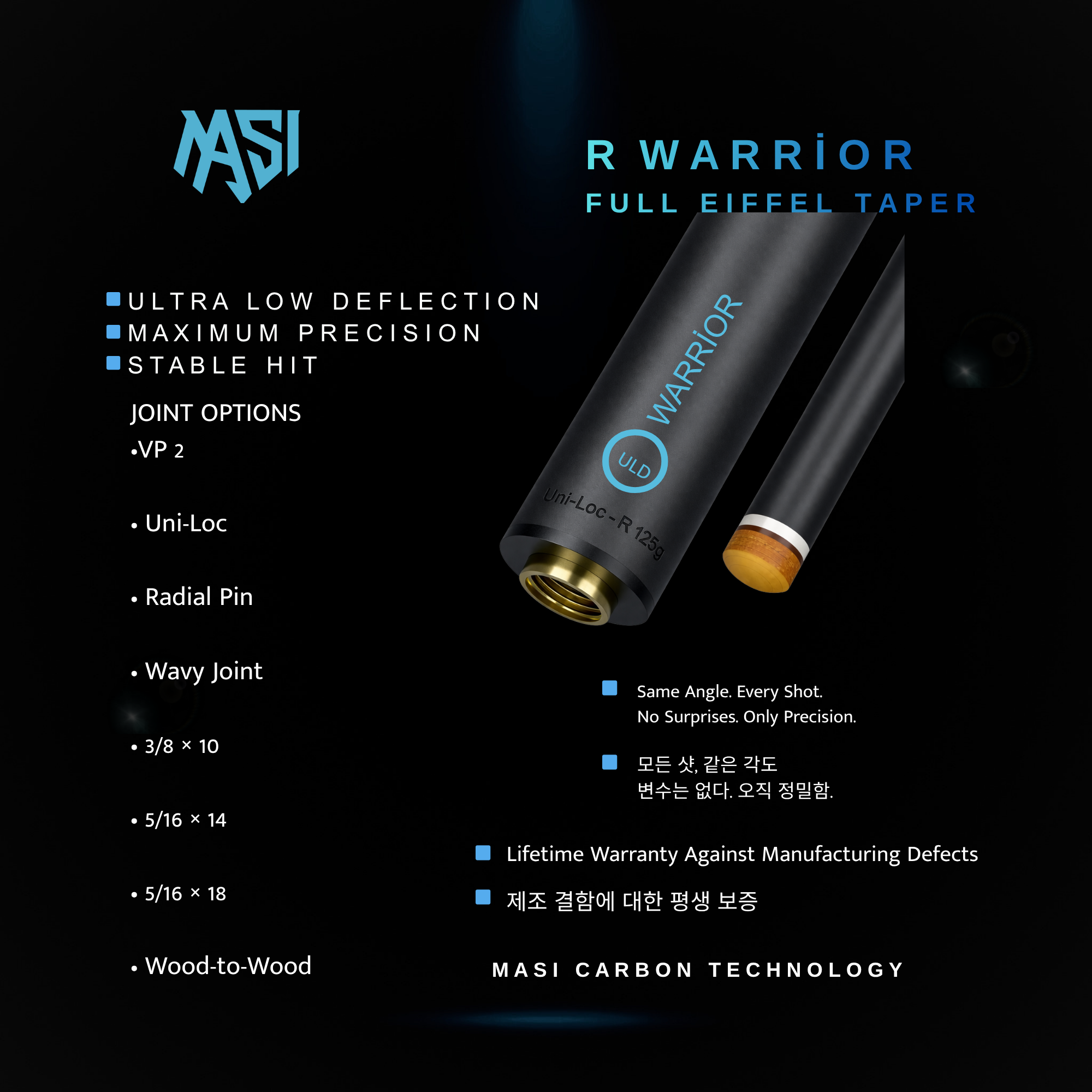
The cue tip is the most critical component where the player makes direct contact with the ball. The quality and maintenance of the tip directly affects shot precision, spin control and overall game performance. In this guide we cover every aspect from tip selection to maintenance. Masi Carbon tip accessories provide all the equipment needed for professional-quality tip care and replacement.
Tip Hardness Selection: Soft, Medium, Hard
Cue tips are generally classified into three hardness categories. Soft tips contact the ball longer and provide greater spin transfer; however they require more frequent shaping and replacement. Medium hardness tips offer the ideal balance for most players; providing both adequate spin control and reasonable durability. Hard tips last longer and deliver consistent hit feedback; but spin transfer is relatively limited. Using a medium hardness tip with Masi Carbon carbon fiber shafts offers the optimum balance of performance and feel.
Shaping Techniques
The correct shape of the cue tip determines the quality of contact with the ball. The ideal tip shape is a slightly domed profile resembling the surface of a nickel coin. Flat or overly pointed tips can lead to incorrect contact points and miscues. Special tip shaping tools are used for shaping; sandpaper or knives should never be used. Checking the tip shape every 2-3 playing sessions is a good habit.
Gluing Methods
The steps to follow when replacing a cue tip are:
- Remove the old tip cleanly and clean the ferrule surface
- Ensure the ferrule top surface is flat; lightly sand if necessary
- Place the new tip centered using gel-type adhesive
- Apply pressure with a tip press for 10-15 minutes
- After curing clean excess adhesive and shape the tip
Proper gluing ensures the tip is centered and long-lasting.
Maintenance Routine
Before each game lightly scuff the tip surface with a tip tool; this improves chalk retention. Apply chalk evenly by rotating the tip. After playing wipe off excess chalk buildup with a soft cloth. If you notice the tip hardening or glazing you can use the scuffer a bit more aggressively; but do not overdo it.
When to Replace?
Signs that a cue tip needs replacement include: excessive mushrooming, separation from the sides, visible cracks or deformation, failure to hold chalk despite scuffing and significant hardening. An average cue tip lasts 3-6 months with heavy use and 6-12 months for hobby players. Masi Carbon cues are compatible with standard ferrule diameters and work seamlessly with most quality tips on the market.