Defensive Play — Safety Play 101
Safety play matters as much as offense. Hiding the object ball, snookering the opponent and parking the cue ball in tough positions are core skills.
Most amateurs only want to attack. Yet the statistics of top snooker, 9-Ball and 10-Ball players reveal a truth: defensive play wins as many matches as offense. A well-executed safety scores even when the turn passes to the opponent.
What Is Safety Play?
Safety play means leaving the opponent in a hard position instead of attempting a pot. Parking the cue ball where it blocks access to the target ball, hiding it behind another ball, or sending it far away are the core safety moves. The goal: force the opponent into a foul, a ball-in-hand surrender or a bad shot.
Snookering (Hiding Behind a Ball)
'Snooker,' the concept that named the discipline, means blocking the straight line to the on-ball. Pool uses the same idea. Park the cue ball behind another ball relative to the opponent's target, and they must either kick off a rail or foul. A clean snooker is worth nearly a pocketed ball.
Distance Control
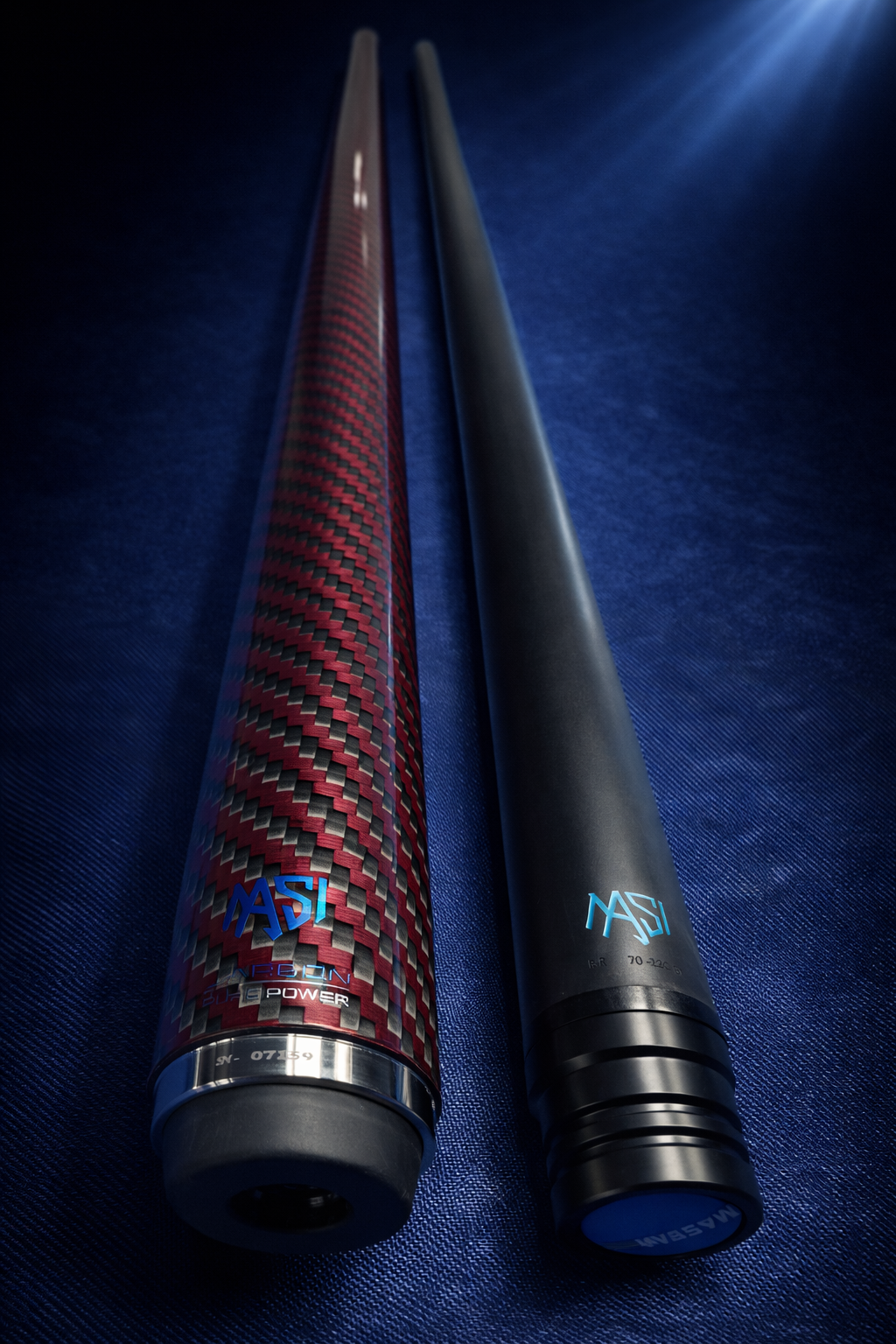
Another safety form is creating full-table distance between cue ball and object ball. Long distance forces the opponent into a precise stroke. Sometimes simply parking the cue ball near the far rail is enough. Carbon shafts' low deflection makes long safety strokes hold their line.
Two-Way Shot
Pros sometimes play a two-way shot: if the ball drops, continue the run; if not, leave the cue ball tough for the opponent. This hybrid offense-defense approach is the best decision when risk is low. Combining attack and defense in a single stroke is advanced tactics.
Safety Failure Modes
A poorly executed safety hands the opponent a gift. The most common error: parking the cue ball too close to their target. Second: creating scratch risk. Third: leaving the on-ball exposed. A good safety plan starts by filtering all three risks before the stroke.
Safety Philosophy in Snooker
In snooker, safety play becomes a personal art. The frame's biggest scorer is often the player who wins the safety battle. Watching 5–6 consecutive safeties in pro matches is normal; each one slightly worsens the opponent's position. Safety is the real chess of snooker.
Practice Approach
To learn safety, play matches where only safety counts. In 9-Ball, set a rule: no normal shots until the first ball comes free. After a month, your safety awareness will lift even your offensive percentage, because every shot now has two dimensions.