Billiard Ball Materials — Aramith vs Standard
Why are Aramith phenolic resin balls the pros' choice? We dive into the durability, rebound and weight tolerance differences versus standard polyester sets.
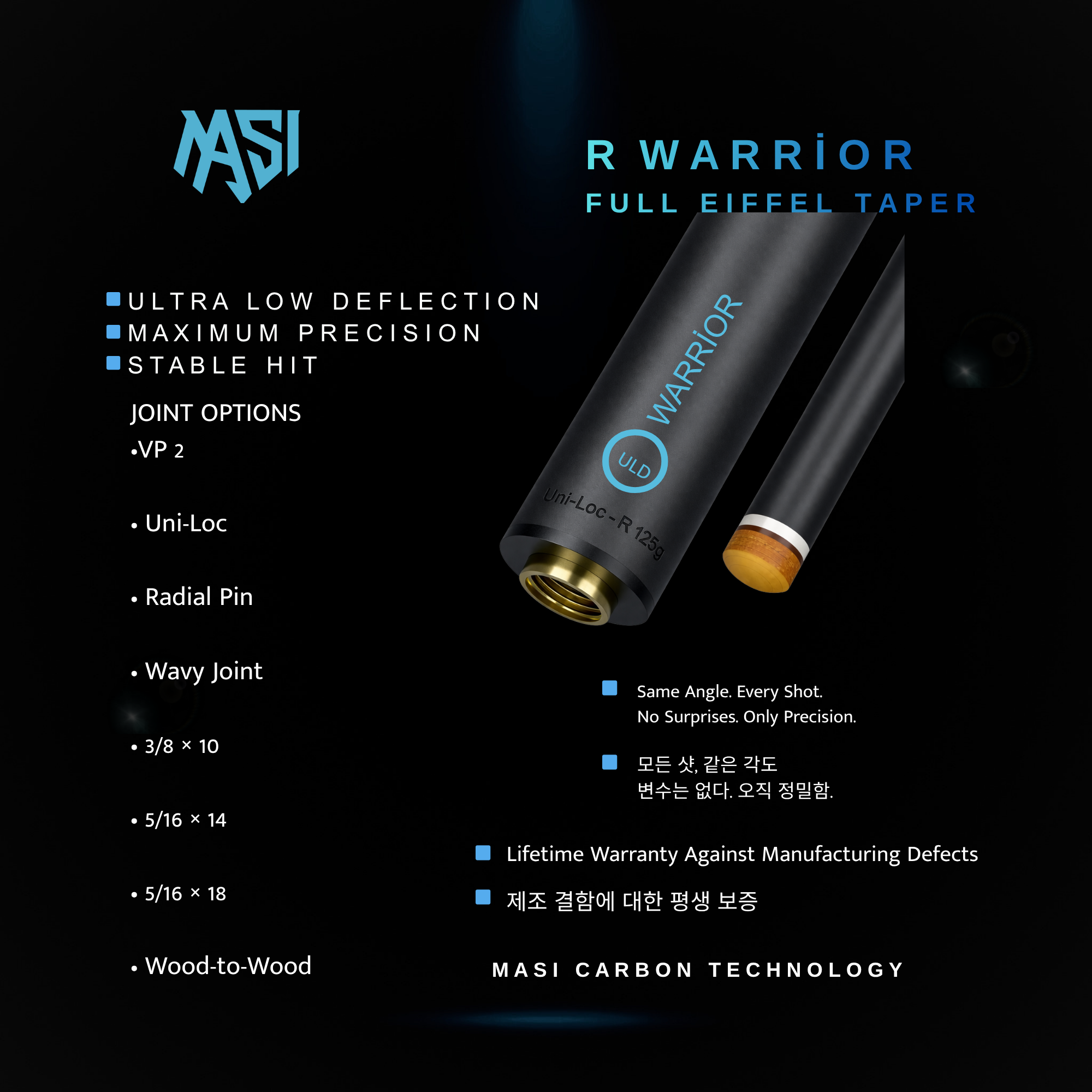
Half of your performance on a billiard table comes from intent, the other half from equipment quality. Most players obsess over the cue, but the material of the balls is just as decisive as the shaft. Aramith phenolic resin balls have become the standard at professional tournaments worldwide, while standard polyester or acrylic balls remain widespread on amateur tables. So what is the actual difference?
Phenolic Resin vs. Polyester Resin
Aramith balls are manufactured from phenolic resin by the Belgian company Saluc. Polymerised under extreme heat and pressure, the material is exceptionally hard, dense and homogeneous. Polyester resin, by contrast, is softer, more porous and cheaper to produce. At a microscopic level the phenolic surface is far smoother, which reduces friction with the cloth.
In practice, this difference shows up in how the ball slides across the felt and in how it responds to draw, follow and English. A polyester ball decelerates faster after impact and struggles to hold spin, while a phenolic ball faithfully translates the player's intent.
Durability and Wear Resistance
In professional environments an Aramith set easily endures up to 400,000 hits, equating to many years of use. Polyester balls may begin to show matte spots, micro-cracks and even chipping along the edges after just a few thousand strikes. The heat generated by ball-to-ball collisions stresses the molecular bonds of polyester, while phenolic resin manages this energy far more efficiently.
Rebound and Cue Feel
The coefficient of restitution determines how much energy is preserved when balls collide or strike a cushion. In Aramith sets this value is both high and consistent across the set. All sixteen balls behave nearly identically. With standard balls there can be a 3 to 5 percent variance per ball, which destroys precision position play. A player swinging our Masi Carbon carbon fiber shafts will best feel the low deflection of the cue when paired with Aramith-grade balls.
Weight and Diameter Tolerance
Professional pool balls are nominally 170 grams and 57.2 mm in diameter. Aramith's Tournament TV line holds tolerances of ±0.1 grams and ±0.01 mm. Lower segment balls can deviate by 1 to 2 grams. That small-looking difference visibly alters carom angles in combination shots and breaks.
Why Pros Choose Aramith
Federations like WPA, Matchroom and UMB mandate Aramith for official tournaments, and not because of branding but because of measurable consistency. Broadcast-grade colour saturation, a matte-smooth surface that does not glare under camera, and exceptional longevity round out the package. Carom players favour Super Aramith Pro, pool players Tournament Black, and snooker pros the Aramith 1G.
Which Set Is Right for You?
If you play a few hours a week as a hobbyist, the mid-tier Aramith Premier or Premium series is plenty. If you run a club, the Tournament series will pay for itself within five years. Players preparing for serious tournaments should opt for Tournament TV or the Black series. At Masi Carbon, we always run our shaft development tests with Aramith Tournament sets — deflection and spin measurements only become meaningful with reference-grade balls.